

Last Updated: November 19, 2026
Quick Summary
Perfume prices vary because a bottle's price covers far more than the liquid inside. Ingredients, packaging, marketing, brand prestige, and the channel a bottle travels through all shift the final number. The same fragrance can also sell for different prices at different sellers.
- Rare natural ingredients generally cost more than synthetic aromachemicals, though blending skill matters too.
- Packaging, marketing, and brand prestige are all folded into the price you see.
- Grey-market bottles are authentic but sold outside intended channels, which can explain lower prices.
- A price far below every other seller, not just modestly lower, is worth scrutinizing before buying.
Which fragrance fits your budget?J2 Fragrance House offers authentic designer and Arabian scents at competitive prices.
Shop All Fragrances
Table of Contents
- Why Perfume Prices Vary So Much Between Stores and Brands
- What Actually Goes Into the Cost of a Bottle
- Why the Same Perfume Has Different Prices at Different Sellers
- Designer vs Niche Perfume Price: What You Are Really Paying For
- Perfume Concentration and Price: EDP, EDT and Parfum Explained
- How to Spot Fake Perfume and Avoid Grey Market Traps
- Shopping for Value: How to Buy Quality Fragrance at a Fair Price
- Find Your Next Fragrance at J2 Fragrance House
- Frequently Asked Questions
Why Perfume Prices Vary So Much Between Stores and Brands
Perfume prices can swing from under $25 to over $200 for bottles that look similar on a shelf. Shoppers often ask what they are really paying for when a bottle's price varies this much. The short answer is that a bottle's price reflects far more than the liquid inside.
Understanding these pieces helps you shop with confidence. You can tell when a low price reflects a smart buy and when it signals a problem. The sections below walk through each factor, so you can compare bottles on value instead of on the label alone.
What Actually Goes Into the Cost of a Bottle
A perfume's price starts with its formula, but the juice is only one line item. Brands also pay for design, branding, advertising and the retail space that puts the bottle in front of you. Each of these costs gets folded into the price you see.
Ingredients, raw materials and synthetic aromachemicals
Perfume is built from natural materials such as essential oils and resins, along with synthetic aromachemicals. Natural raw materials are often costly and can vary from harvest to harvest, which affects their price. Synthetic molecules are frequently used to create consistent scents and to reproduce notes that are difficult or expensive to extract. A formula heavy in rare naturals generally costs more to produce than one built largely on synthetics, though the quality of the finished scent depends on skilled blending as much as on the materials.
Packaging, marketing and brand prestige
Glass, caps, boxes and the printing on them add real cost, and heavier or more elaborate designs cost more. Marketing is often a major cost for a designer fragrance, covering campaigns and placement in stores. Brand prestige adds value that is hard to measure but easy to see in pricing, since a well-known name can command a higher price even when the formula is comparable to a less famous one.
The cost of a bottle is spread across several line items, and the article breaks down what each one covers.
| Cost factor | What it covers | Price effect |
|---|---|---|
| Ingredients | Essential oils, resins and synthetic aromachemicals | Rare naturals cost more; synthetics are used for consistency |
| Packaging | Glass, caps, boxes and printing | Heavier or more elaborate designs cost more |
| Marketing | Campaigns and in-store placement | Often a major cost for designer fragrances |
| Brand prestige | Value from a well-known name | Can command a higher price for a similar formula |
Why the Same Perfume Has Different Prices at Different Sellers
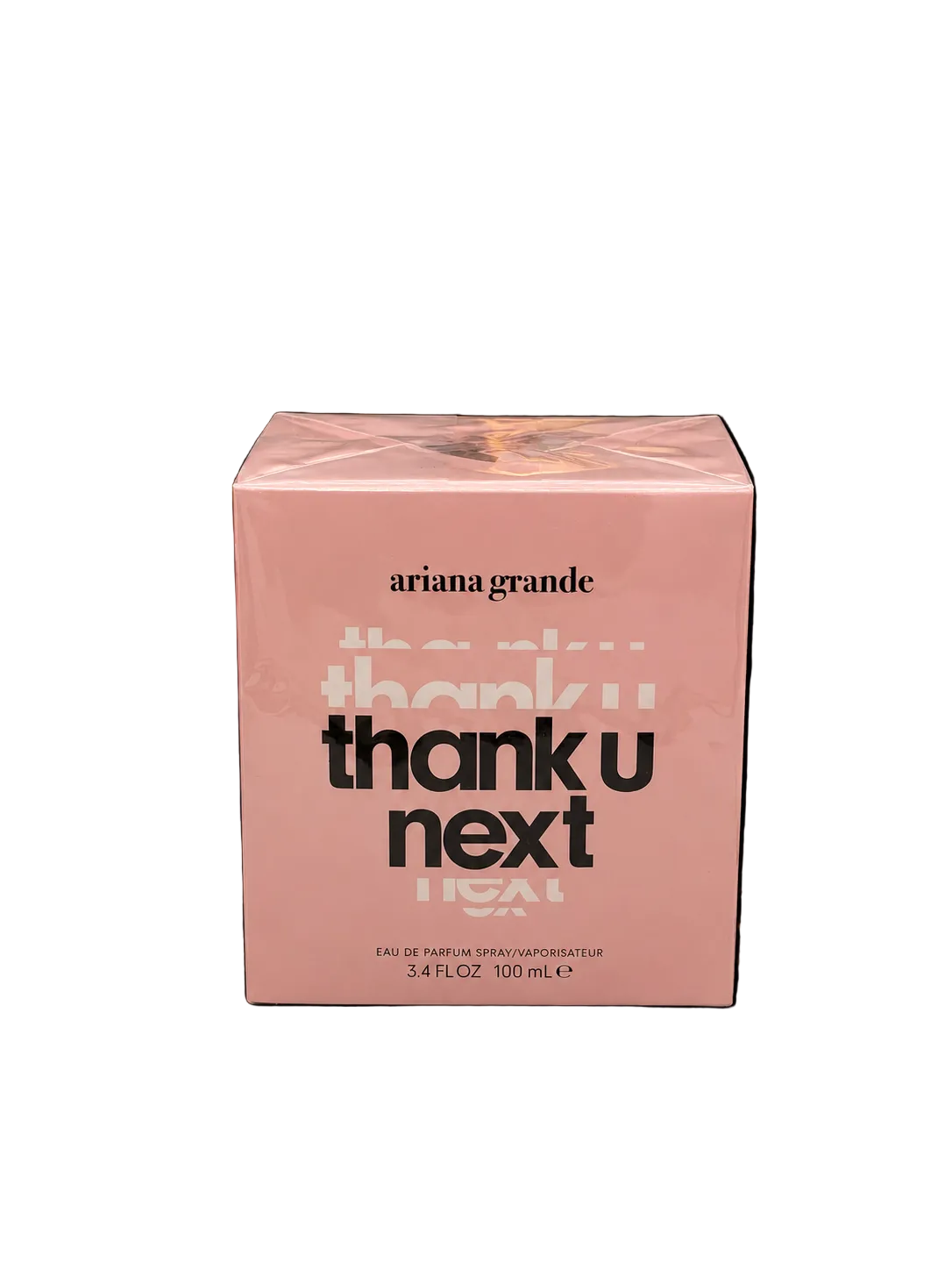
The same sealed bottle can carry very different price tags depending on who is selling it, and the reason is almost never the juice itself. You can compare a sealed Ariana Grande Thank U Next EDP listing to see one example of this in practice. It comes down to which distribution channel the bottle traveled through, how much volume the seller moves, and what overhead sits between the warehouse and your door.
Authorized retail vs. online discounters
A department store typically buys through the brand's authorized distribution chain and carries staffing and retail real estate costs, which are reflected in the shelf price. Online retailers can run on different cost structures, so the same fragrance can list at a different price without anything being wrong with it.
Where grey-market stock comes from
Grey market means authentic product sold outside the brand's intended distribution channels. A bottle may be manufactured for one region, then diverted, through overstock liquidations, duty-free excess, or distributors clearing inventory, and resold in another market. The fragrance is genuine, but it was not authorized for sale in your region, which is why it can undercut authorized retail. The trade-offs are real: packaging or batch labeling may differ by region, and the brand's own warranty or customer service may not apply. It is not the same thing as a fake, and treating the two as identical is the most common shopping mistake we see.
Testers, unboxed units and volume economics
Testers contain the same fragrance in plain or marked packaging and are intended for store display, which is why they are priced lower when sold. Unboxed or damaged-box units follow the same logic. Separately, volume matters: a seller moving thousands of units can accept a smaller margin per bottle than a boutique. None of this changes the scent, it changes the cost structure behind the price.
What a legitimate low price looks like
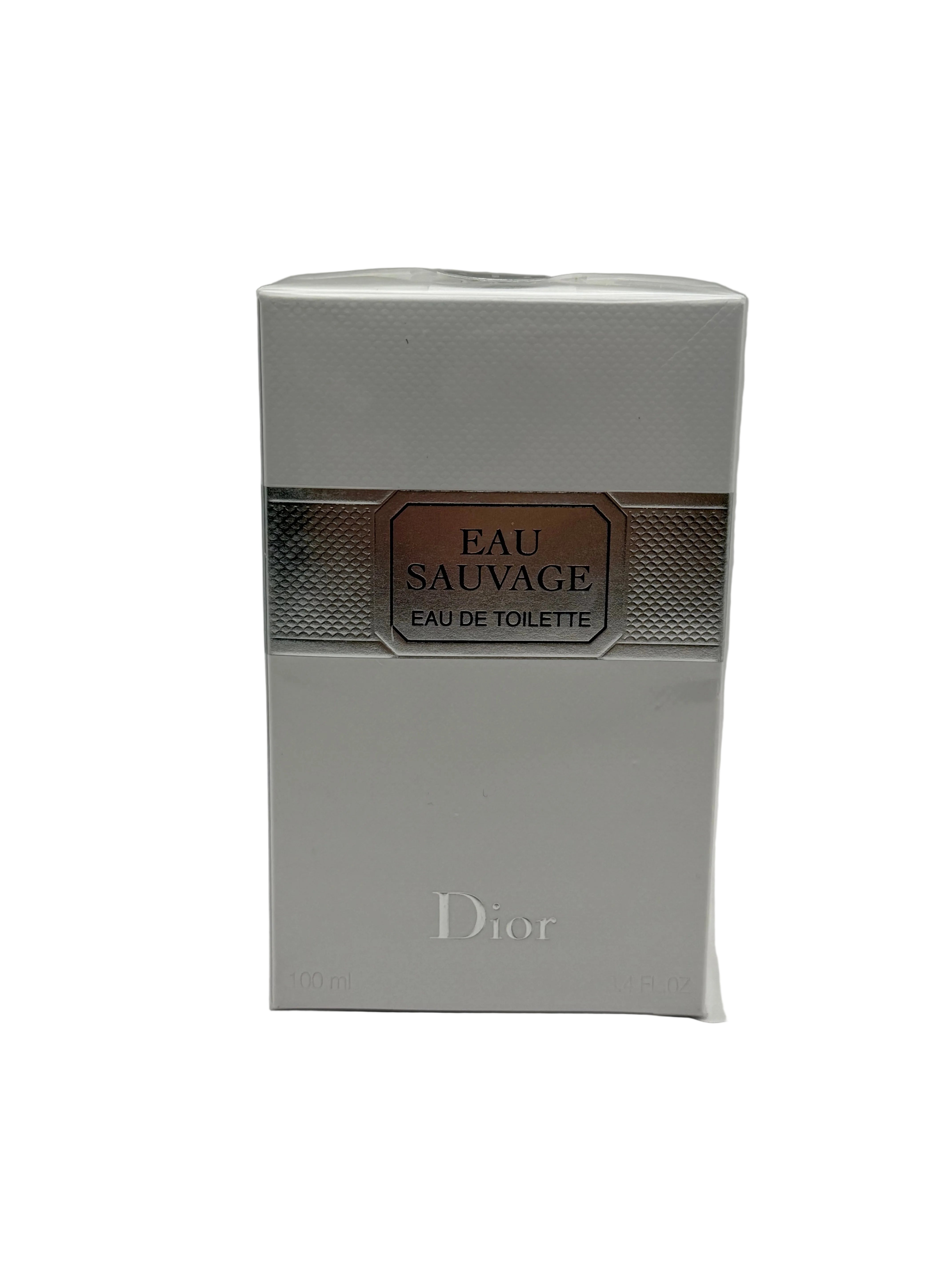
A fair discount usually sits in a believable range below department-store retail and comes with clear sourcing language, a stated return policy, and a working contact. At J2 Fragrance House, our bottles are new, sealed and sourced through vetted US wholesalers, so you can judge the price against the channel rather than against the label alone. For a classic reference point, see our Dior Eau Sauvage Eau de Toilette for Men | 3.4 oz listing.
Watch out: a price that is dramatically below every other seller, not modestly lower, is worth scrutinizing before you buy.
Designer vs Niche Perfume Price: What You Are Really Paying For
Designer fragrances come from established fashion and beauty houses and are made for wide distribution. Niche perfumery tends to work in smaller batches, often with more expensive or unusual materials and less spending on mass advertising. Niche houses may charge more per millilitre, yet they do not always spend heavily on the campaigns that drive designer prices.
Neither category is automatically better. Designer bottles often offer familiar, well-tested scents at moderate prices, while niche bottles may suit buyers who want something rare. Compare the scent profile and concentration, not just the brand name, to decide what offers the most value for you.
Perfume Concentration and Price: EDP, EDT and Parfum Explained
Concentration is one of the clearest drivers of price. The higher the proportion of fragrance oil to alcohol, the more expensive the bottle usually is. Eau de toilette (EDT) is the lightest and most affordable, eau de parfum (EDP) is stronger and longer-lasting, and parfum is the most concentrated and typically the costliest.
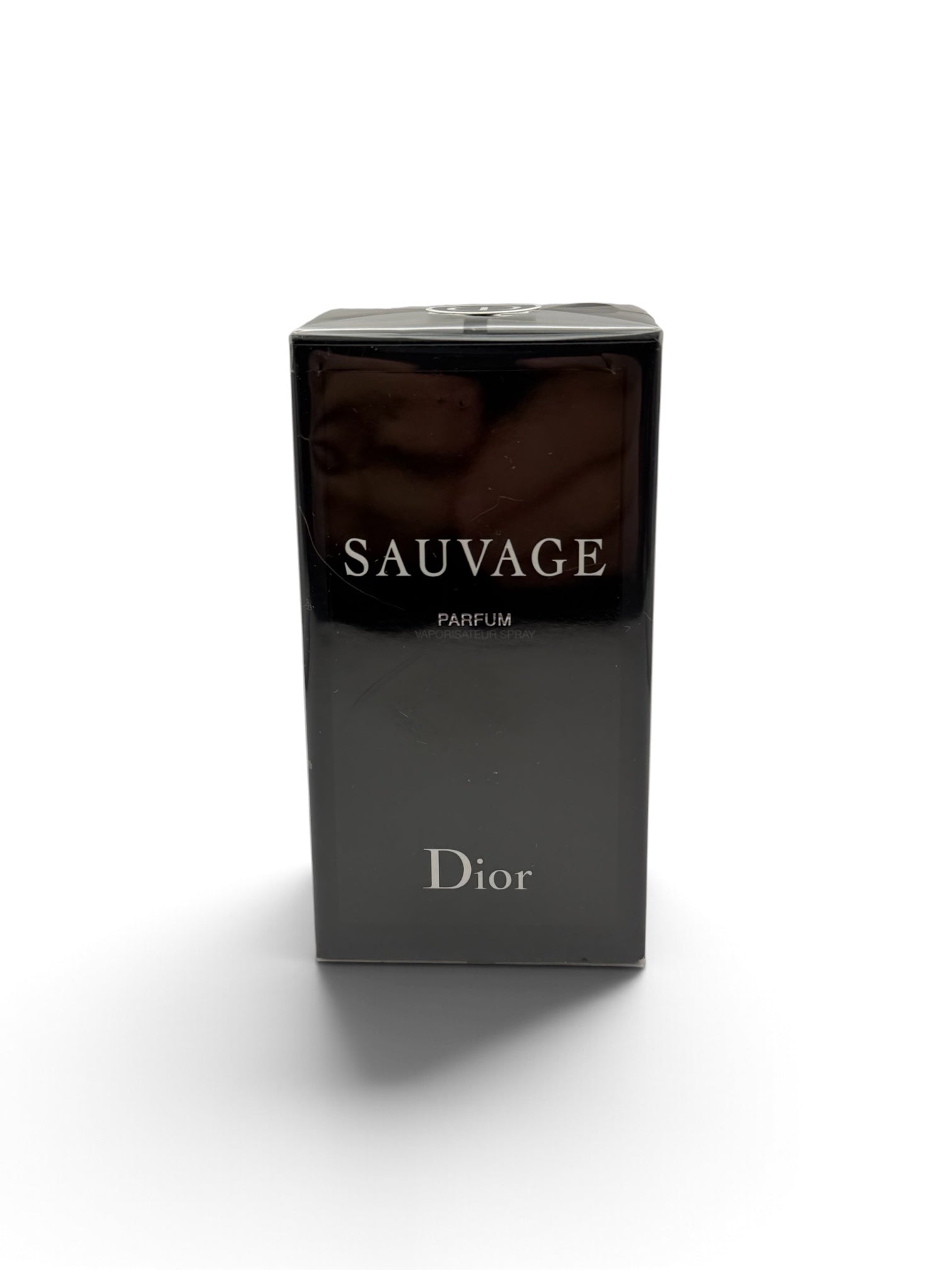
A higher concentration does not always mean a better buy. For example, the Dior Sauvage Parfum for Men | 2.0 oz (60 ml) shows how the parfum strength of a popular scent changes its price and feel compared with lighter versions.
How to Spot Fake Perfume and Avoid Grey Market Traps
Most shoppers use "fake" and "grey market" as if they mean the same thing, and that confusion is exactly what bad sellers rely on. They are different problems with different warning signs, and telling them apart is the single most useful skill for buying fragrance online.
Counterfeit vs. grey market: the core difference
A counterfeit is a fake, an unauthorized copy made to look like the real product, usually with different (and often harsh or short-lived) contents. Grey market is authentic product sold outside the brand's authorized channels, as described above. A grey-market bottle is real; a counterfeit is not. A low price can signal either one, so the price alone cannot tell you which you are looking at.
Reading the bottle and packaging
Counterfeits can show small tells such as misspelled text, blurry printing or a loose sprayer. Batch codes are a useful check: the code on the bottle should match the code on the box, and a mismatch is a reason to look closer. Neither check is definitive on its own, but together they narrow the picture.
Vetting the seller
Seller signals matter more than any single photo. Look for clear shipping and return policies, a working contact method, real photos of the actual sealed bottle rather than stock images, and a written authenticity commitment. Check feedback history for patterns, not just star ratings. A seller who explains where stock comes from and how returns work is showing you the channel; one who avoids the question is telling you something too.
The price sanity check
A useful habit is to compare a listing against the typical range across several reputable sellers. A modest discount is normal for online retail. A price that is a small fraction of everywhere else is the pattern most associated with counterfeits and with grey-market stock of uncertain handling. If a premium bottle is listed at a fraction of its usual price, there is usually a reason, and it is worth knowing which one before you buy.
At J2 Fragrance House, our bottles are new and sealed, so you can shop the price with context, and our Dior Sauvage Parfum for Men | 2.0 oz (60 ml) listing is a good example of a premium bottle we carry. If you want to stretch your budget the legitimate way, our guide to finding discounted designer cologne walks through smart savings, and Arabian houses such as Lattafa, Armaf and Afnan offer bold scents at accessible prices, the Lattafa Asad Eau de Parfum EDP 3.4 oz is a warm, distinctive example.
Shopping for Value: How to Buy Quality Fragrance at a Fair Price
Good value comes from matching the bottle to your needs. Start by deciding how you will wear it, then compare concentration, size and price per millilitre. A larger bottle often lowers the cost per use, which matters if you wear a scent daily.
Testers can also be a smart option. They contain the same juice as retail bottles in plainer packaging, so buyers who do not need the box can save money. Another route to value is a Middle Eastern fragrance: houses such as Lattafa, Armaf and Afnan offer bold, long-lasting scents that often cost much less than designer bottles.
Find Your Next Fragrance at J2 Fragrance House
Understanding perfume pricing makes it easier to choose a bottle that fits both your taste and your budget. Whether you prefer a classic designer fragrance or a rich Arabian scent, you can find options that suit your style at a fair price. Explore the full range at J2 Fragrance House and discover a signature scent you will reach for again and again.
Frequently Asked Questions
Why does the same perfume cost different amounts at different stores?
Stores buy stock through different channels and at different wholesale costs, and each adds its own margin, overheads and shipping charges. A seller who buys from an authorised distributor in bulk may price differently from one who buys smaller lots or sources through the grey market. Promotions, clearance stock and the age of the bottle also shift the final price. Comparing the seller's reputation, return policy and whether the item is new and sealed matters as much as the number on the tag.
Are expensive perfumes better than affordable ones?
Not necessarily. A higher price often reflects brand prestige, marketing budgets and bottle design rather than a better scent. Many affordable fragrances, including Middle Eastern options such as Lattafa Asad and Lattafa Pride Nebras, offer bold profiles at a lower cost. The best test is how a fragrance smells and wears on your own skin, so sampling or testing before buying is a practical way to judge value.
How can I tell whether a discounted perfume is genuine?
A discount alone does not prove a bottle is fake, but a very steep price drop on a luxury brand is a reason to look closer. Check that the seller shows the actual sealed bottle in photos, provides a working contact, posts clear shipping and return policies, and stands behind authenticity in writing. Read the seller's feedback history. Stock photos, vague descriptions and suspiciously low prices are common warning signs.
Does perfume concentration affect its price?
Yes. Higher concentrations such as Parfum contain more perfume oil relative to alcohol than Eau de Toilette, which generally increases production cost and retail price. Concentration also affects how long a scent lasts on the skin. When comparing two bottles of the same name, check whether the concentration matches, since a Parfum and an EDT are not the same product even if they share a name.


Step into the world of fragrance
@wearsillage
faq
Got Qs?
We Got You
(01)
Can I exchange or return my order?
You can return unused products within 30 days of delivery. The item must be in original packaging and condition.
(02)
Do you ship internationally?
We currently ship within the United States only. Standard shipping is free on orders over $75.
(03)
Can I cancel or modify my order after placing it?
If your order hasn’t been processed yet, our team can help with changes. Contact us as soon as possible to make modifications.
(04)
How do I care for the product?
Store your fragrance away from direct sunlight and heat — a cool, dry place preserves the scent exactly as it was made.
(05)
Are your fragrance ingredients ethically sourced?
Yes. Every fragrance we sell is authentic, brand new, and factory sealed, sourced from authorized distributors and trusted wholesale suppliers. We never sell counterfeits, replicas, or opened bottles unless the listing clearly says it is a tester.